
Albert Gallatin
Genevan-American statesman, financier, diplomat, and co-founder of American ethnology.

via Wikipedia: Albert Gallatin · see source
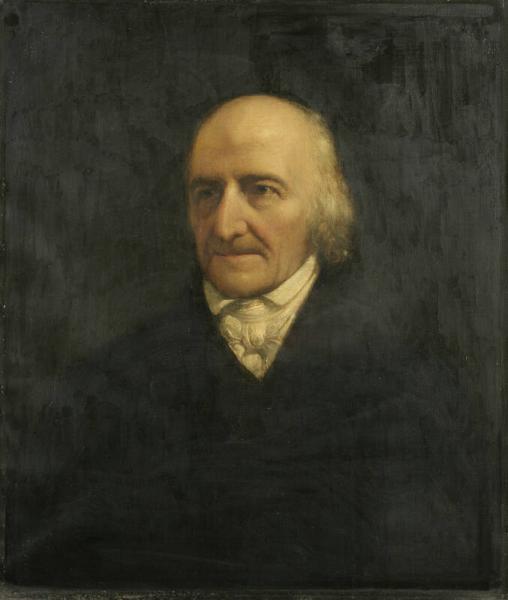
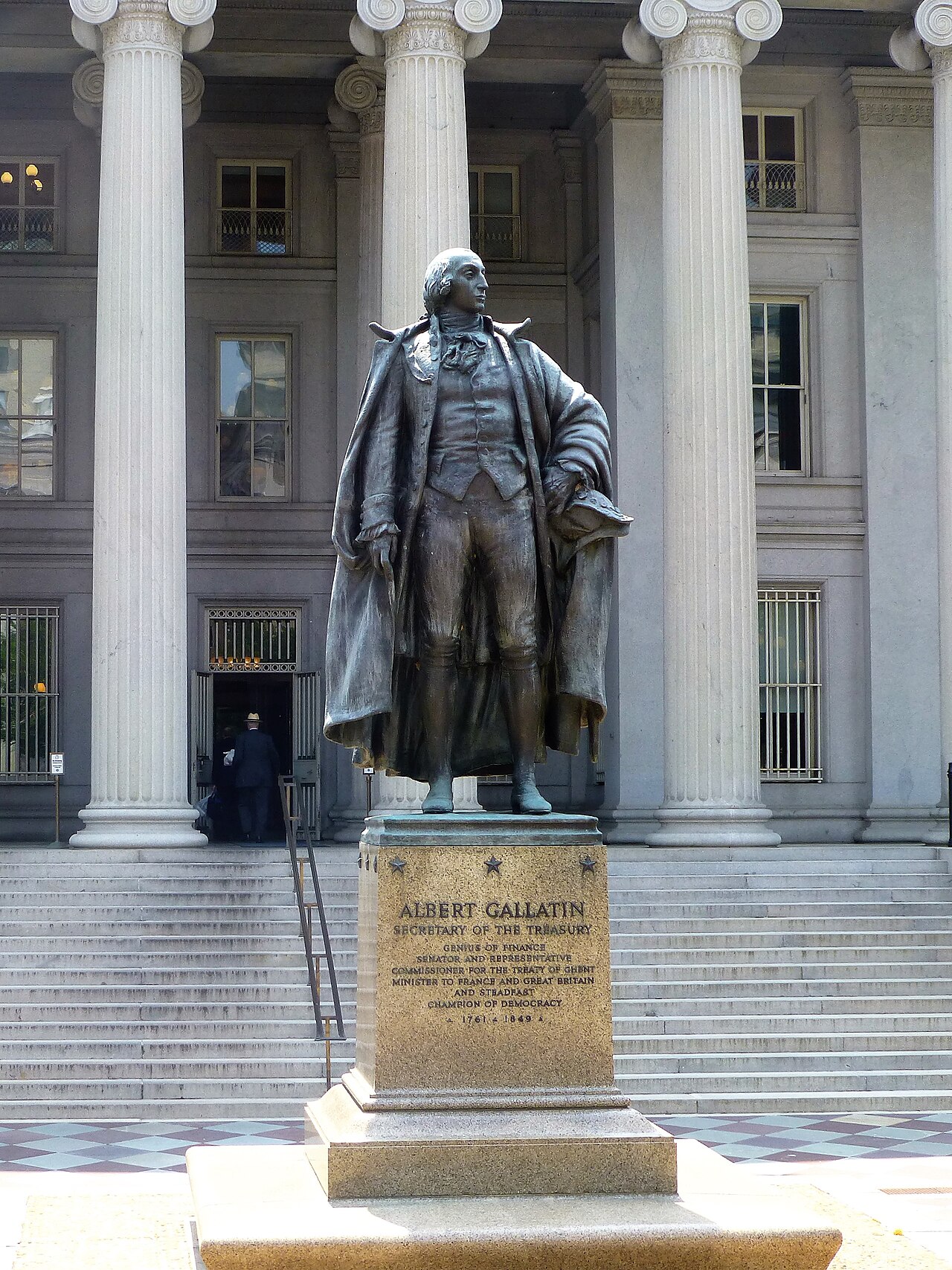
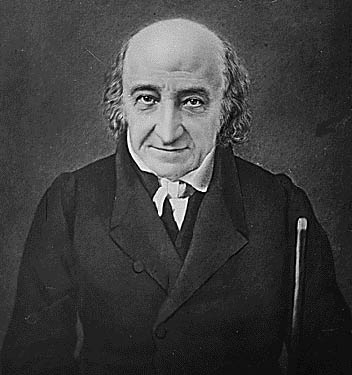
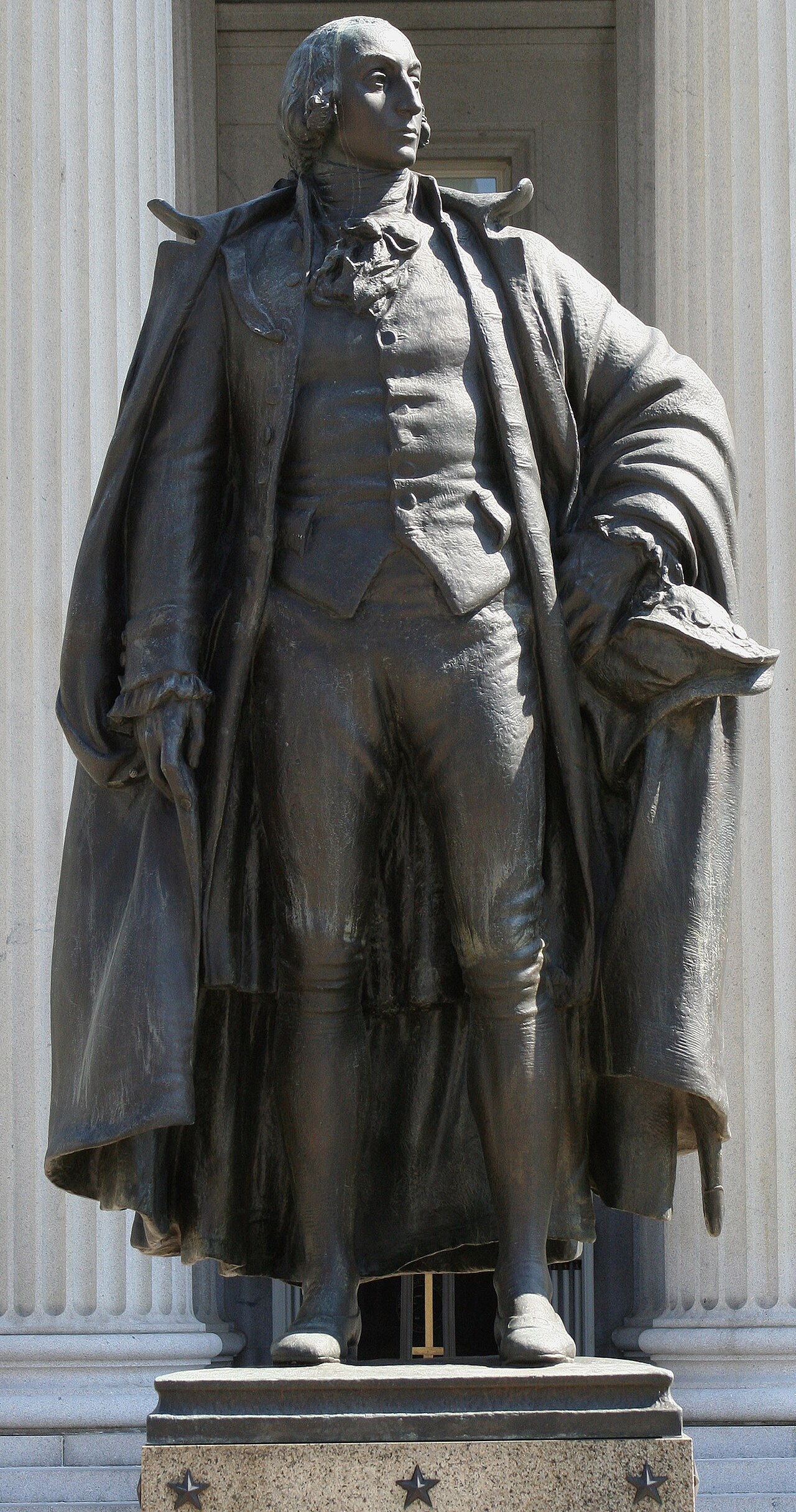
Abraham Alfonse Albert Gallatin (January 29, 1761 – August 12, 1849) was a Genevan-American politician, diplomat, ethnologist, and linguist. Often described as "America's Swiss Founding Father", he was a leading figure in the early years of the United States, helping shape the new republic's financial system and foreign policy. Gallatin was a prominent member of the Democratic-Republican Party, represented Pennsylvania in both chambers of Congress, and held several influential roles across four presidencies, most notably as the longest serving U.S. secretary of the treasury. He is also known for his contributions to academia, namely as the founder of New York University and cofounder of the American Ethnological Society.
- known_for
- Longest serving U.S. secretary of the treasury; founder of New York University;
Verified Timeline
Lore & Background
Gallatin helped Thomas Jefferson prevail in the contentious 1800 U.S. presidential election, and his reputation as a prudent financial manager led to his appointment as Treasury Secretary. Under Jefferson, Gallatin reduced government spending, instituted checks and balances for government expenditures, and financed the Louisiana Purchase and advocated for internal improvements, most notably through his Report on Roads and Canals. He retained his position through James Madison's administration until February 1814, maintaining much of Hamilton's financial system while presiding over a reduction in the national debt. Gallatin served on the American commission that agreed to the Treaty of Ghent, which ended the War of 1812. In the aftermath of the war, he helped found the Second Bank of the United States. Declining another term at the Treasury, Gallatin served as U.S. Ambassador to France from 1816 to 1823, struggling with scant success to improve relations during the Bourbon Restoration. In 1826 and 1827, he served as the American ambassador to Britain and negotiated several agreements, such as a ten-year extension of the joint occupation of Oregon Country. He thereafter retired from politics and dedicated the rest of his life to various civic, humanitarian, and academic causes. He became the first president of the New York branch of the National Bank from 1831 to 1839, and in 1842 joined John Russell Bartlett to establish the American Ethnological Society; his studies of Indigenous languages of North America have earned him the moniker "father of American ethnology." Gallatin remained active in public life as an outspoken opponent of slavery and an advocate for fiscal responsibility, free trade, and individual liberty.
Reader's Guide
Albert Gallatin's significance lies in his dual impact on American governance and scholarship. As the longest-serving secretary of the treasury, he reduced government spending, instituted checks and balances for expenditures, financed the Louisiana Purchase, and advocated for internal improvements via his Report on Roads and Canals, while maintaining much of Hamilton's financial system and presiding over a reduction in the national debt. His diplomatic work—including serving on the commission that agreed to the Treaty of Ghent, ending the War of 1812, and negotiating a ten-year extension of joint occupation of Oregon Country as ambassador to Britain—helped stabilize U.S. foreign relations.
Did You Know?
- Gallatin was born in Geneva in present-day Switzerland and spoke French as a first language.
- He was removed from the U.S. Senate in 1794 on a party-line vote for not meeting requisite citizenship requirements.
- Gallatin helped calm many angry farmers during the Whiskey Rebellion in 1794.
- He served as U.S. Ambassador to France from 1816 to 1823, struggling with scant success to improve relations during the Bourbon Restoration.
- Gallatin's studies of Indigenous languages of North America earned him the moniker 'father of American ethnology.'
Gallery
More in Reformers And Leaders Of The Americas And Beyond 1-24
Related in Reformers And Leaders Of The Americas And Beyond
Links follow this subject's own source article.
Elsewhere in the Reformers And Leaders Of The Americas And Beyond universe
Spotted an error? Know more?
This is a living reference — every entry is fact-audited, and reader corrections feed straight into our audit queue. Suggest an edit · See this site's audit record